
Why Won’t Your Garage Door Close?
Is your garage door not closing properly? Not only is this frustrating, but it can also worryingly leave your garage and property less secure.
While the cause isn’t always serious, it can sometimes be something as simple as an obstruction in the tracks or an issue with the safety sensors. However, it could also indicate that parts of your garage door have become worn or damaged and require professional garage door repair.
In this guide, we’ll explain some of the most common reasons why your garage door won’t close, whether you have a manual or automatic garage door.
We’ll also cover the checks you can safely carry out yourself and when it’s time to contact a professional garage door repair specialist.
Is it Safe to Force A Garage Door Closed?
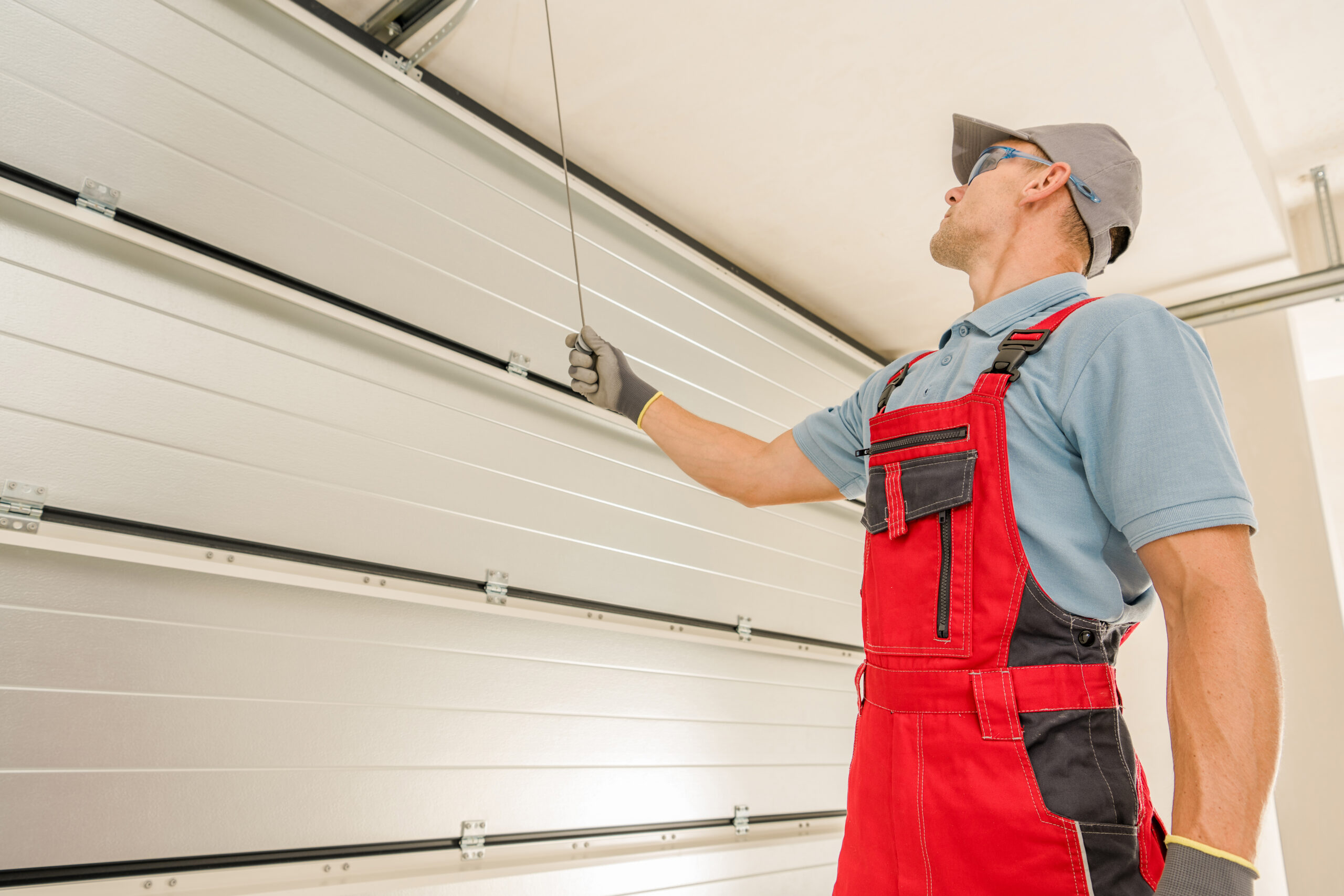
As tempting as it may be to force your garage door closed, particularly if you’re leaving your property, doing so can make the problem worse and may damage important components. If your garage door won’t close after carrying out a few basic checks, avoid forcing it. Instead, stop using the door and seek professional advice to identify and repair the underlying cause.
Common Reasons Why Your Garage Door Won’t Close
There are several reasons why a garage door may not close properly. While some problems can be resolved with a few simple checks, other issues require professional garage door repair to restore the door’s safe operation.
Below are some of the common causes to look out for:
There’s An Obstruction In the Tracks
One of the most common reasons a garage door won’t close properly is because there’s an obstruction in the tracks. Dirt, leaves, stones and other debris can build up over time, preventing the rollers from moving smoothly and stopping the door from closing fully.
Before assuming there’s a more serious fault, it’s worth checking whether the tracks simply need cleaning.
Before trying to operate the door again, you should:
- Visually inspect the tracks for any signs of dirt, debris or other obstructions.
- Carefully remove any loose debris and wipe the tracks clean with a cloth, avoid using sharp tools as this can damage the tracks.
- Check that nothing else is blocking the path of the garage door.
If the tracks are clear and your garage door still won’t close properly, it’s likely that another fault is preventing it from operating correctly.
The Rollers or Hinges Are Worn Or Damaged
The rollers and hinges play an important role in helping your garage door open and close smoothly. Over time, poor maintenance and general wear and tear can cause these components to become worn, damaged or loose.
In some cases, this can also cause the garage door to be misaligned, making it more difficult to close properly. If this happens, your garage door may become difficult to close properly and could stick, move unevenly or make unusual noises.
You should:
- Look for any visible signs of wear or damage to the rollers and hinges.
- Check whether any hinges appear loose or bent.
- See whether the garage door appears uneven or out of alignment.
- Listen for grinding, squeaking or scraping noises when operating the door.
If you notice damaged rollers or hinges or signs that your garage door is out of alignment, it’s best to avoid using the garage door until they’ve been repaired or replaced by a professional.
The Springs or Cables Are Damaged
Garage door springs and cables help support the weight of the door, making it easier to open and close. If either of these components become worn or damaged, the door may struggle to close properly, become uneven or stop moving altogether.
You should:
- Look for any visible signs of damage, such as frayed cables or a broken spring.
- Check whether the garage door appears uneven or is hanging lower on one side.
- Listen for any loud bangs or unusual noises, as these can sometimes indicate a broken spring.
Garage door springs and cables are under extremely high tension and can be dangerous to repair without the correct equipment and training. If you suspect either component is damaged, avoid using the garage door and contact a professional garage door repair specialist.
Common Electric Garage Door Problems
If you have an electric garage door, there are a few additional issues that could prevent it from closing properly. Many are linked to built-in safety features, while others may indicate a fault with the garage door opener.
The Safety Sensors Are Blocked Or Misaligned
Most electric garage doors are fitted with built-in safety sensors that help prevent the door from closing if there is an obstruction in its path.
If the sensors become blocked by dirt or debris or are knocked out of alignment, they may stop the garage door from closing even when nothing is in the way.
You should:
- Check that the sensor lenses are clean and free from dirt, dust or cobwebs.
- Make sure there are no objects blocking the path between the two sensors.
- Check whether the sensors appear to be aligned correctly and securely mounted.
If the sensors are clean and correctly aligned but your garage door still won’t close, it’s best to contact a garage door specialist to diagnose the fault.
The Garage Door Opener Has Developed a Fault
If you can’t see any visible issues with your garage door, the problem may lie with the garage door opener itself. Electrical faults, incorrect settings or worn internal components can all prevent the door from closing properly.
You should:
- Check that the garage door opener has power and hasn’t been switched off.
- If the remote control isn’t working, try replacing the battery before assuming there’s a fault with the opener.
- Refer to the manufacturer’s instructions if the opener is displaying an error code or warning light.
If your garage door opener still isn’t working correctly after these basic checks, avoid attempting further repairs yourself. A professional garage door engineer can diagnose the fault and carry out any necessary repairs safely.
Safe Checks You Can Carry Out Yourself
While some garage door faults require professional diagnosis and repair, there are a number of simple checks you can carry out yourself safely. These may help identify the cause of the problem or even resolve minor issues before arranging a repair.
Before contacting a garage door specialist, you can safely:
- Check the tracks for dirt, leaves or other obstructions and remove any debris.
- Inspect the rollers and hinges for visible signs of wear, damage or loose components.
- Check that your garage door appears level and isn’t obviously out of alignment.
- If you have an electric garage door, ensure the safety sensors are clean, aligned and free from obstructions.
- Check that the garage door opener has power and is operating correctly.
- Listen for any unusual noises, such as grinding, scraping or banging, which could indicate a mechanical problem.
If you notice damaged springs, frayed cables or any other significant damage, avoid using the garage door and contact a professional garage door repair specialist.
Need Professional Garage Door Repairs?
If your garage door still won’t close after carrying out the checks in this guide, it’s time to seek professional advice. Continuing to use a faulty garage door may make the problem worse and, in some cases, could compromise the safety and security of your property.
At West Midlands Garage Doors, our experienced engineers repair and service all types of manual and electric garage doors. Whether it’s a minor fault, damaged components or a more complex issue, we’ll identify the cause and get your garage door back to operating safely and reliably.
Get in touch with us today to arrange a garage door repair or speak to our team for expert advice.
Frequently Asked Questions
Why does my garage door start to close then go back up?
This is commonly caused by blocked or misaligned safety sensors, an obstruction in the door’s path or an issue with the garage door opener.
Why won’t my electric garage door close with the remote?
Check that the remote battery isn’t flat, the opener has power and the safety sensors are clean and correctly aligned. If the problem continues, contact a garage door specialist.
Can I manually close an electric garage door?
Many electric garage doors have a manual release mechanism that allows you to operate the door during a power cut or fault. Always refer to your manufacturer’s instructions and avoid forcing the door if it feels heavy or jammed.
Read our full guide on this here.