
What Happens If Your Chosen Garage Door Doesn’t Fit Your Opening?
When choosing a new garage door, it is easy to focus on the style, colour and finish first. However, one of the most important things to consider is the garage opening itself.
The size, shape and condition of your garage opening will have a direct impact on what type of door can be fitted, how it will open and close and how much usable space you will have on your driveway or inside the garage. It can also determine whether any preparation work is needed before your new garage door can be supplied and installed.
In this article, we explain what happens if your chosen garage door does not fit your opening, why different garage door types need different amounts of space, which need the most space and how our team can help find the most practical solution.
Why a Garage Door Might Not Fit First Time
A garage door needs to be fitted accurately so that it opens and closes smoothly, while generally keeping your garage secure. If your garage door is too large or small or overall unsuitable for your opening, it can lead to gaps, poor weather protection, issues when operating your door or a finish that does not look right on your home.
Common garage door fitting issues include:
- The opening is not a standard size
- The brickwork is uneven or out of square
- There is not enough space above the opening
- There is limited space at the sides
- The existing frame reduces the usable opening
- The floor or driveway slopes
- The lintel or surrounding brickwork is crumbling
For homeowners, this means the first step is not simply ordering a door in the closest size. The opening needs to be assessed properly so the right door can be supplied, fitted and used without ongoing problems.
How Different Garage Doors Fit Into Openings
Different garage door types need different amounts of space. This is why a door that works well for one property may not be suitable for another, even if the openings look similar from the outside.
This is where professional advice becomes important. Rather than trying to force a chosen garage door make and model into an unsuitable space, a professional garage door installation company can assess how you use your garage and recommend a door that suits both the opening and your day-to-day needs.
What Happens If the Opening Is the Wrong Size?
If the opening is too small or too large for your chosen door, there are usually several options.
Choosing a Made-to-Measure Garage Door
The most straightfoward solution is usually a made-to-measure garage door. This is especially useful for older garages or properties which have unusual openings or where the existing door was not fitted to a standard size.
For homeowners, this means the new can be manufactured around the actual opening rather than trying to make a standard-sized door fit a space it was not designed for.
Changing the Fitting Position
Garage doors can actually be fitted in multiple ways. For example, the door may be fitted behind the opening rather than within it, depending on the available space.
This can sometimes help improve the final fit and avoid unneccessary building work where brickwork or lintels have to be adjusted.
Adjusting the Brickwork
Where the garage door opening is significantly too small or too wide, brickwork alterations may be needed. This could involve adjust the reveals, rebuilding small sections of brickwork, chipping away at the side brickwork or even preparing the opening so that the new frame can be fitted securely.
This helps make sure the garage door is not only the right size, but also fitted into a stable and suitable opening.
Confirming the Best Option With a Site Survey
For homeowners, a propert site survey carried out by a professional team offers the huge benefit of you not being left guesisng. This way, you can confirm whether the issue can be solved simply with a different door size or fitting method, or if more in-depth preparation work is required.
What If There Is Not Enough Headroom or Side Room?
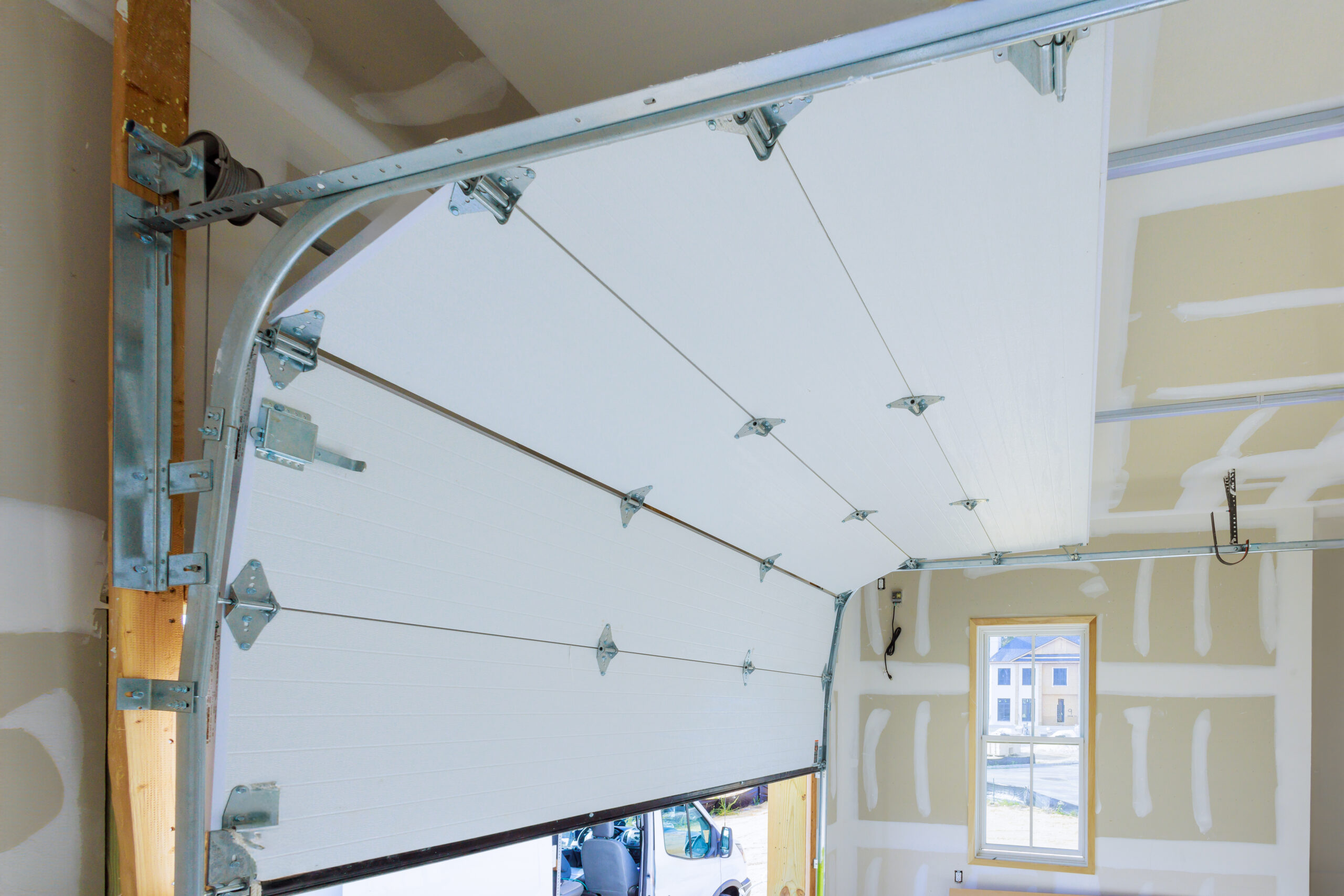
Headroom is the space above the garage door opening. Side room is the space on either side. Both are important because most garage doors need room for tracks, guides, frames, motors or a roll box.
If there is limited headroom, a sectional garage door for example may not suitable if there is not enough internal space for the tracks. A roller garage door may still work, but only if there is enough room above the opening for the roll box. If both options are restricted, a side hinged garage door may be more practical because it needs very little overhead space.
If sideroom is limited, the installer should check whether the door guides or frame can be fitted safely. Pipes, meters, shelving, internal walls or uneven brickwork can all affect the final fitting position.
This matters because choosing the wrong door for a tight space can reduce the drive-through width, affect how the door operates or leave gaps around the frame. A professional survey helps avoid these issues before the door is ordered.
What If the Brickwork or Lintel Needs Work?
Sometimes the issue is not the garage doors. It is the structure around the opening.
The lintel sits above the garage door opening and supports the weight above it. If the lintel is damaged or unsuitable, it may need to repaired, replaced or assessed before the new door is installed.
Brickwork can also cause fitting problems if it is cracked, loose, uneven or strong enough to take secure fixings. In these cases, preparation work may be needed before installation can go ahead.
For smaller issues, this may involve tidying the reveals, improving the fixing points or fitting a sub-frame. For larger structural changes, building control approval may be needed, especially if the garage opening is being widened.
This protects homeowners by making sure the new garage door is not only fitted neatly, but fitted into an opening that is safe for long-term use.
What If the Floor or Driveway Is Uneven?
An uneven garage floor or sloped driveway can affect how the door closes and seals at the bottom.
This is particularly important if you want to reduce draughts, keep rainwater out or improve the overall finish of the installation. A slight slope may be manageable, but a more noticeable change in level may need to be considered when choosing the door type or threshold detail.
During a survey, the installer can check whether the door will close cleanly and whether any adjustments are needed. This helps avoid a situation where the door fits the opening but leaves a visible gap at floor level.
Can You Still Have an Electric Garage Door If the Opening Is Awkward?
In many cases, yes. However, electric garage doors need accurate fitting because the guides, tracks, motor and safety systems must all work together properly.
If the opening is uneven, tight or restricted, the survey becomes even more important. The installer needs to check that there is enough room for the operating mechanism and that the door can move smoothly without obstruction.
For the homeowner, this means you can still explore electric options, but the opening needs to be checked before the door is ordered. This helps protect the reliability of the door and reduces the risk of issues after installation.
How WM Garage Doors Solves Garage Door Fitting Issues
At WM Garage Doors, we supply and install garage doors across the West Midlands and Staffordshire, helping homeowners like you choose a door that suits your property, opening and everyday use. As part of the process, WMGD can:
- Measure the structural opening accurately
- Check headroom, side room and internal clearance
- Assess the condition of the brickwork, floor and lintel
- Explain whether your chosen door type is suitable
- Recommend made-to-measure options where needed
- Advise if minor preparation work is required
- Remove the existing garage door as part of the installation
- Supply and install the new door for a clean, secure finish
This means any fitting concerns can be identified before the door is manufactured or installed. Instead of finding out on installation day that the chosen door is unsuitable, you get clear advice from the start.
You can learn more aobut our garage door installation process here.
Conclusion
If your chosen garage door does not fit your opening, it does not usually mean you cannot have a new door installed. It simply means the opening needs to be assessed properly so the right solution can be chosen, whether that is a made-to-measure door, a different fitting position, minor brickwork preparation, a new frame or structural work around the lintel.
The most important thing is to avoid guesswork. By booking a professional garage door survey with a trusted garage door installation company (like WM Garage Doors), you can make sure your chosen door fits properly, operates smoothly and is suitable for your home long term.